10 Skincare Myths We Still Believe: What to Stop Doing in Your Routine
A practical guide to common skincare myths, from expensive products to natural labels, pore shrinking, scrubbing, and sunscreen mistakes.
Written by
Dermibun Editorial Team
Updated
May 09, 2026
Read time
3 min read
Skincare myths make routines more confusing than they need to be. Many people build routines around things they heard online: expensive means better, natural means safer, oily skin should be dried out, scrubbing clears pores, and sunscreen is only needed on sunny days. These beliefs are common, but they can lead to routines that feel harsh, expensive, or inconsistent.
Myth one: expensive products always work better. Price does not automatically tell you whether a product fits your skin. A simple cleanser, moisturizer, and sunscreen can be a strong routine even when the products are affordable. What matters is whether the product suits your skin type, whether you use it correctly, and whether you can stay consistent.
Myth two: natural always means safer. Natural ingredients can still irritate skin, and synthetic ingredients are not automatically bad. A product should be judged by its full formula, safety, purpose, and how your skin responds. Fragrance from a natural source can still be fragrance, and essential oils can still be too much for some skin.
Myth three: oily skin does not need moisturizer. Oily skin may not need a heavy cream, but it can still feel dehydrated, tight, or uncomfortable. Lightweight moisturizers and gel textures can support comfort without making the routine feel greasy. Skipping moisture completely can make active-heavy routines harder to tolerate.
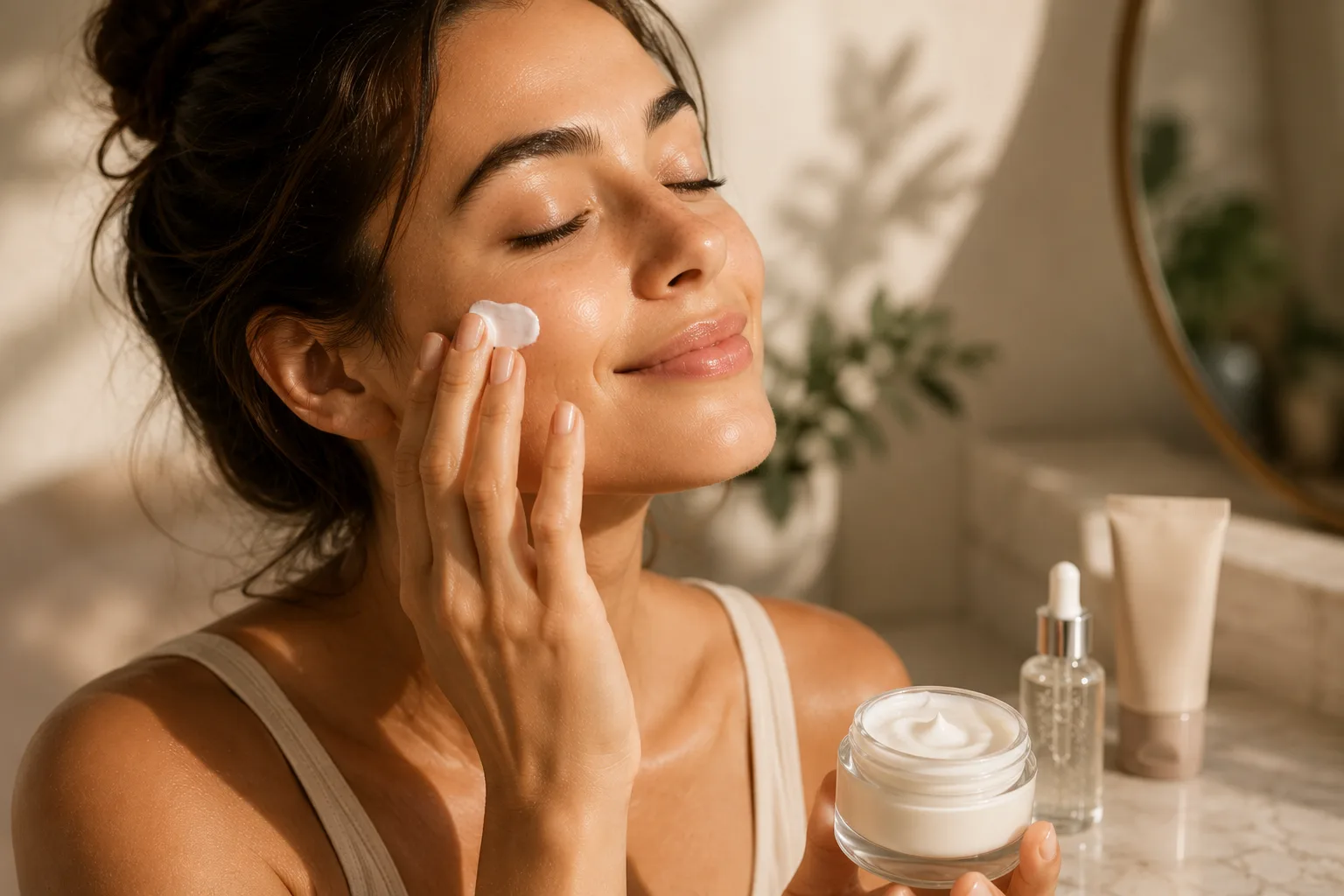
Myth four: scrubbing makes skin clearer. Scrubbing can create a temporary smooth feeling, but rough cleansing may leave the skin irritated. A gentle cleanser, fingertips, and lukewarm water are usually better for daily cleansing than abrasive tools or aggressive pressure.
Myth five: sunscreen is only for summer. UV exposure is part of daily life, not only beach days. Sunscreen should be part of the morning routine when your skin will be exposed to daylight. This is especially important if your routine includes ingredients that can make skin feel more sensitive.
Myth six: more products mean a better routine. Product overload is one of the fastest ways to lose track of what your skin actually likes. A routine with three consistent steps can be better than a ten-step routine you cannot maintain.
Dermibun can help you identify which steps are essential and which ones are just noise. By tracking your routine, you can simplify your shelf, notice patterns, and build skincare habits around facts instead of myths.
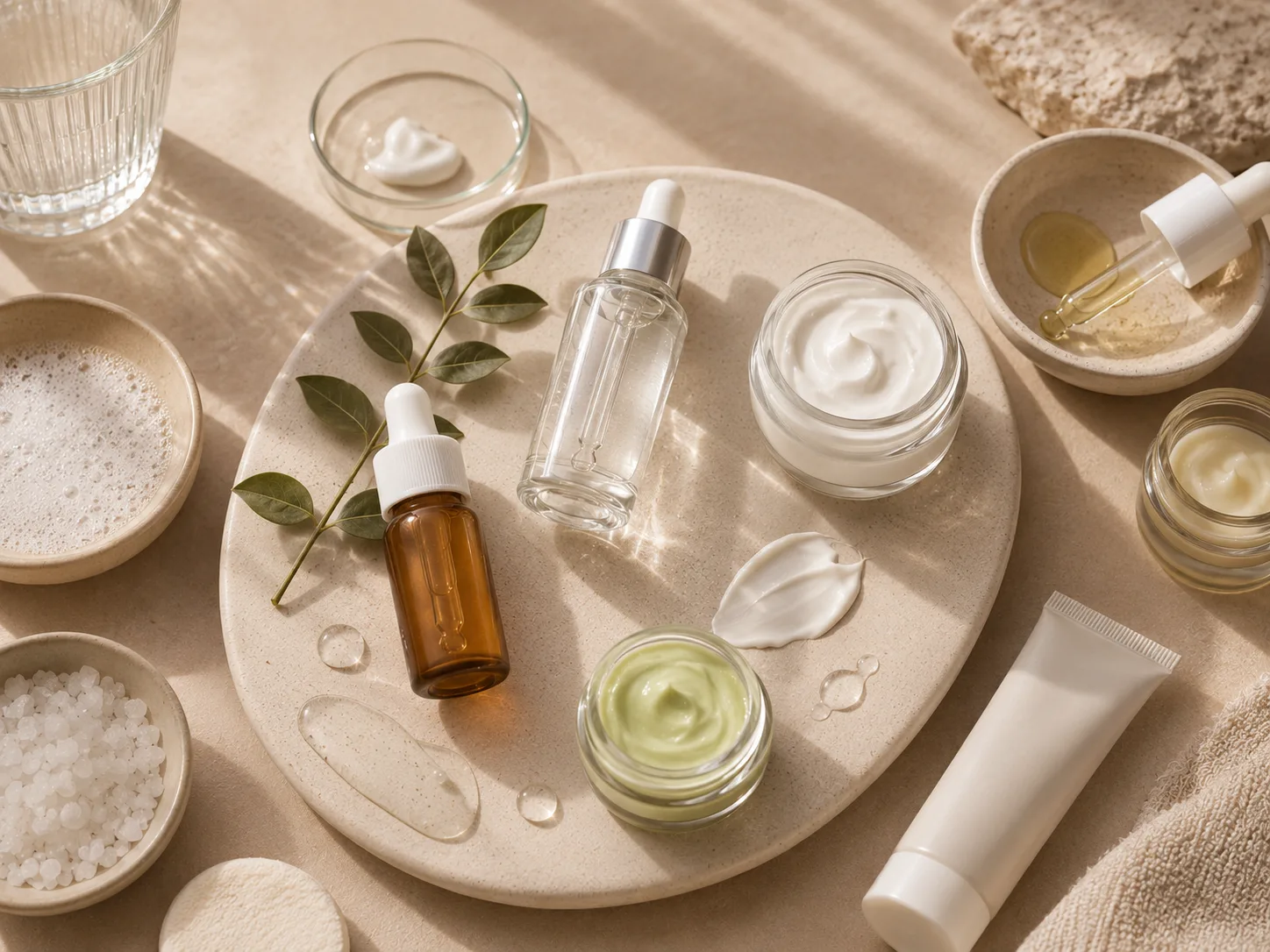
Skincare products with question marks representing common skincare myths
Safety note
This article is educational and does not diagnose or treat skin conditions. See a dermatologist for persistent, painful, rapidly worsening, infected, scarring, bleeding, or unusual symptoms.
FAQ
Are expensive skincare products always better?
No. A product does not need to be expensive to be useful. The formula, your skin type, and consistency matter more than price alone.
Is natural skincare always safer?
No. A natural source does not automatically make an ingredient safer or less irritating.
Does scrubbing make skin cleaner?
Harsh scrubbing can irritate the skin. Gentle cleansing is usually a better daily habit.
Do oily skin types need moisturizer?
Many oily skin types still benefit from lightweight moisture, especially when cleansers or active products leave the skin feeling tight.